
services
Dry Eyes
Overview
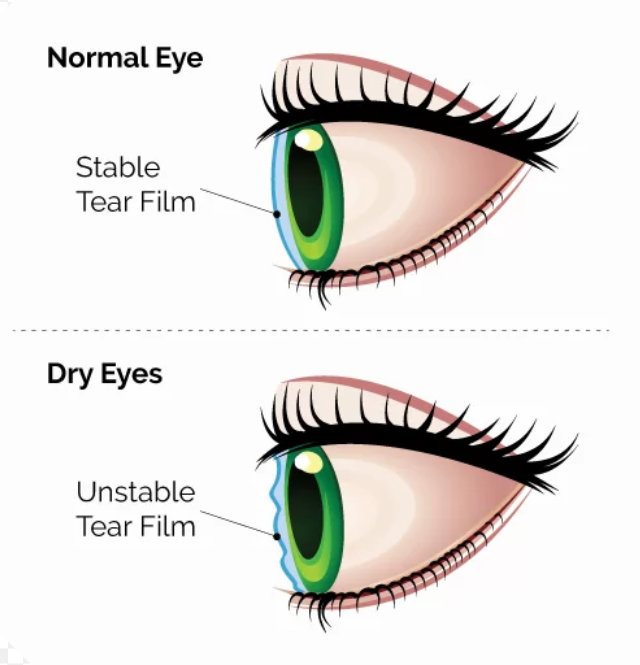
Dry eye is a common eye condition that happens when the eyes do not produce enough tears, or when the tears are not of the right quality to keep the eyes properly lubricated. This can cause the tear film to become unstable, leading to irritation, inflammation, and discomfort on the surface of the eye.
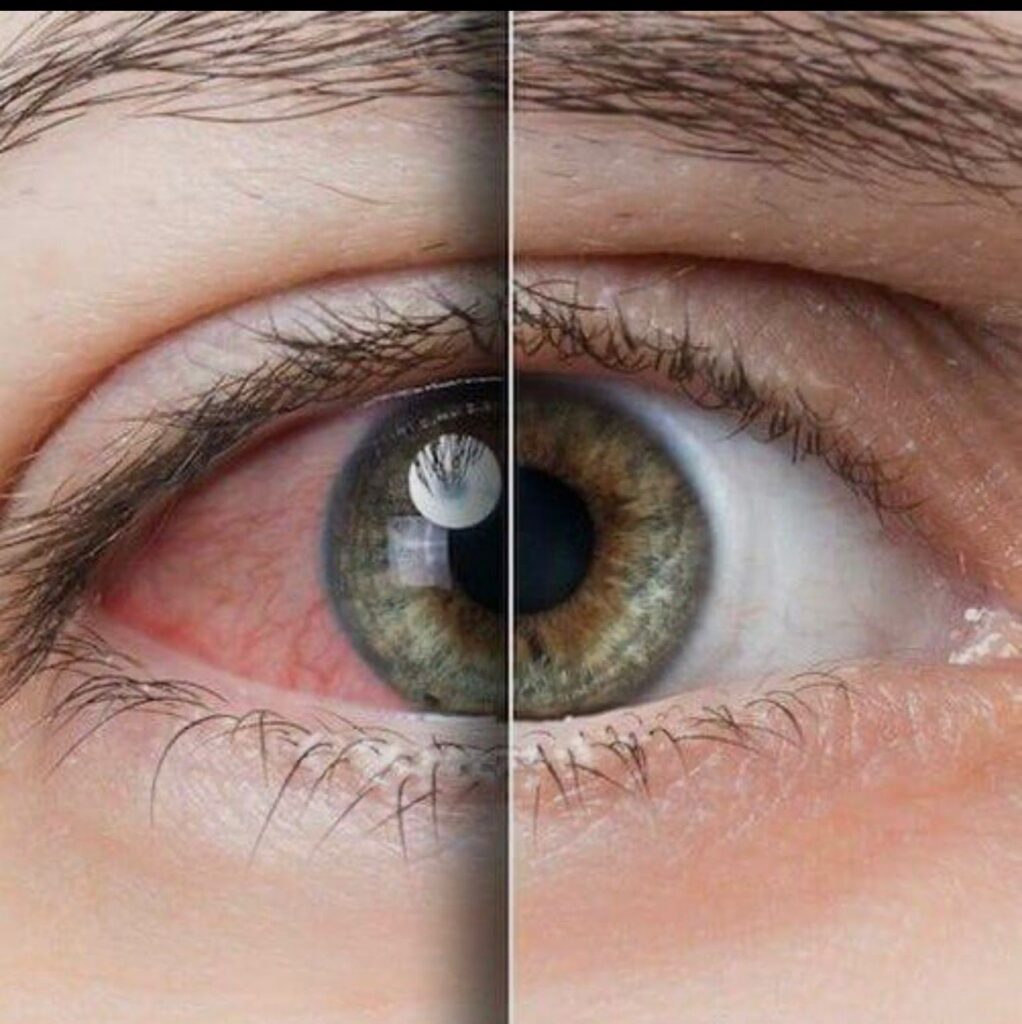
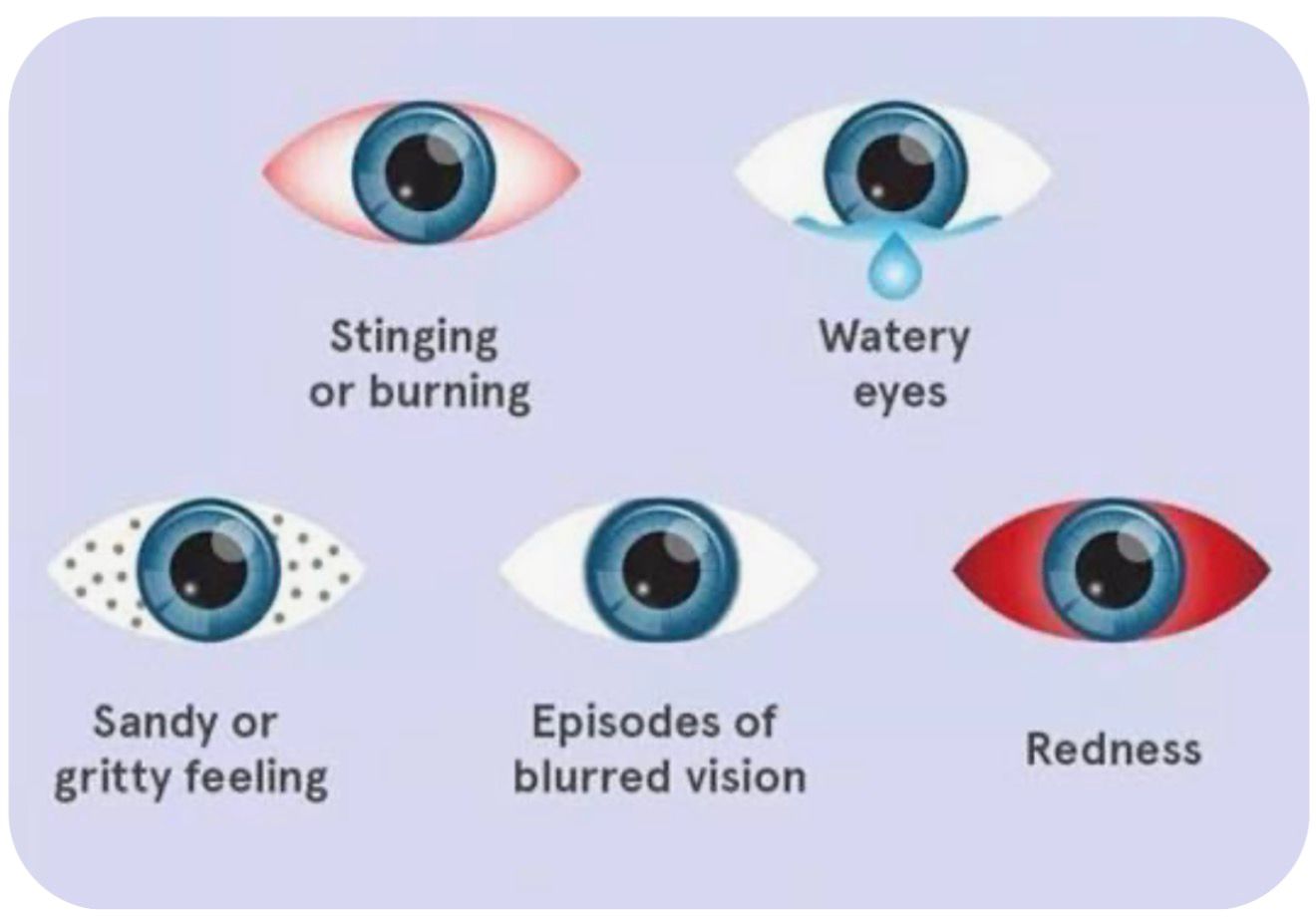
People with dry eyes may experience stinging, burning, redness, watering, or a gritty feeling in the eyes. Symptoms can often feel worse in certain environments, such as air-conditioned rooms, windy weather, during screen use, while driving, or after long periods of reading.
At Optical World, we can help identify the cause of your dry eye symptoms and recommend suitable management options. Treatment may include specialist eye drops, lifestyle advice, and ongoing care to help relieve discomfort and protect your eye health.
Symptoms
Signs and symptoms, which usually affect both eyes, may include:
- A stinging, burning or scratchy sensation in your eyes
- Stringy mucus in or around your eyes
- Sensitivity to light
- Eye redness
- A sensation of having something in your eyes
- Difficulty wearing contact lenses
- Difficulty with nighttime driving
- Watery eyes, which is the body’s response to the irritation of dry eyes
- Blurred vision or eye fatigue
Causes
Dry eyes are caused by a variety of reasons that disrupt the healthy tear film. Your tear film has three layers: fatty oils, aqueous fluid and mucus. This combination usually keeps the surface of your eyes lubricated, smooth and clear. Problems with any of these layers can cause dry eyes.
Reasons for tear film dysfunction are many, including hormone changes, autoimmune disease, inflamed eyelid glands or allergic eye disease. For some people, the cause of dry eyes is decreased tear production or increased tear evaporation.
Tear glands and tear ducts
The tear glands located above each eyeball, called the lacrimal glands, continuously supply tear fluid that’s wiped across the surface of your eye each time you blink your eyelids. Excess fluid drains through the tear ducts into the nose.
Prevention
If you experience dry eyes, pay attention to the situations that are most likely to cause your symptoms. Then find ways to avoid those situations in order to prevent your dry eyes symptoms. For instance:
- Avoid air blowing in your eyes. Don’t direct hair dryers, car heaters, air conditioners or fans toward your eyes.
- Add moisture to the air. In winter, a humidifier can add moisture to dry indoor air.
- Consider wearing wraparound sunglasses or other protective eyewear. Safety shields can be added to the tops and sides of eyeglasses to block wind and dry air. Ask about shields where you buy your eyeglasses.
- Take eye breaks during long tasks. If you’re reading or doing another task that requires visual concentration, take periodic eye breaks. Close your eyes for a few minutes. Or blink repeatedly for a few seconds to help spread your tears evenly over your eyes.
- Be aware of your environment. The air at high altitudes, in desert areas and in airplanes can be extremely dry. When spending time in such an environment, it may be helpful to frequently close your eyes for a few minutes at a time to minimize evaporation of your tears.
- Position your computer screen below eye level. If your computer screen is above eye level, you’ll open your eyes wider to view the screen. Position your computer screen below eye level so that you won’t open your eyes as wide. This may help slow the evaporation of your tears between eye blinks.
- Stop smoking and avoid smoke. If you smoke, ask your health care provider for help devising a quit-smoking strategy that’s most likely to work for you. If you don’t smoke, stay away from people who do. Smoke can worsen dry eyes symptoms.
- Use artificial tears regularly. If you have chronic dry eyes, use eye drops even when your eyes feel fine to keep them well lubricated.
Activa
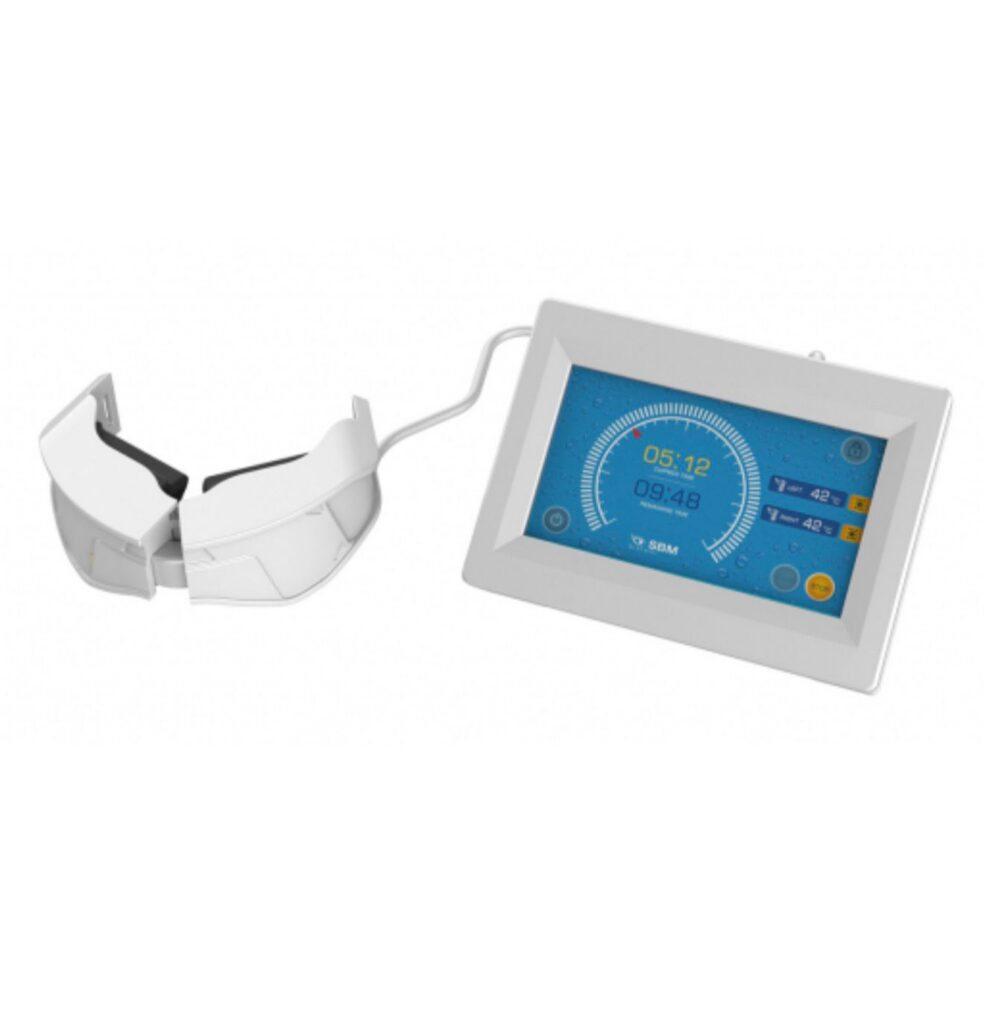
Activa is used to support meibomian gland function and improve tear film stability where dry eye symptoms are being driven by gland blockage or evaporative dry eye. It forms part of a wider dry eye treatment plan tailored to your symptoms and clinical findings.
Typical treatment plans are arranged over a short course of appointments, with timing and follow-up based on how your eyes respond.
- Targets meibomian gland dysfunction
- Supports more stable tear quality
- Works alongside home care and clinical review
- Planned around your symptoms and examination findings
Do you need to talk to someone
Call us on 02088935759
Wonderful experience with Optical World, offering professional service, friendly staff, and a smooth overall customer journey.
Incredible customer service with experienced opticians using modern technology, ensuring accurate results and a comfortable experience.
Exceptional care with consistently helpful staff, delivering reliable and trusted service over many years.
One of the best service experiences with very friendly and attentive staff who make customers feel valued and comfortable.
Owner went above and beyond by helping after closing time and replacing frames at an affordable cost with great care.
Outstanding and professional service with modern facilities, ensuring a high-quality and efficient customer experience.
Great team providing excellent service and genuine care, making the overall experience smooth and highly satisfying.
Friendly staff delivering consistently great service over many years, maintaining trust and strong customer relationships.
Highly recommended clinic with caring ophthalmologists who provide attentive service and reliable eye care solutions.
Friendly and patient-focused service with a strong emphasis on comfort, clarity, and customer satisfaction.
Fantastic care with personalized attention, ensuring each customer receives tailored solutions and a pleasant experience.
Above and beyond service with quick delivery and efficient handling, resulting in a smooth and satisfying experience.
Helpful and kind service with supportive staff who ensure customer needs are handled efficiently and professionally.
Consistently impressive service with reliable staff who maintain high standards and ensure customer satisfaction.
Friendly and helpful environment with approachable staff, making the visit comfortable and stress-free.
Easy and smooth process supported by helpful staff, ensuring a convenient and efficient customer experience.
Friendly staff providing good service with consistent quality and a welcoming customer-focused approach.
Friendly staff delivering a great first experience with smooth service and a welcoming and professional approach.
Quick and efficient service with staff fixing glasses promptly at no extra cost, ensuring customer satisfaction.
Frequently Asked Questions
What causes dry eyes?
Dry eyes occur when the eyes don’t produce enough tears or the right quality of tears to keep them lubricated. This can be caused by factors such as aging, environmental conditions (like dry air or wind), prolonged screen time, certain medications, or underlying medical conditions. Our optometrists can help identify the cause and recommend appropriate treatments.
What are the symptoms of dry eyes?
Common symptoms of dry eyes include a feeling of grittiness or sand in the eyes, redness, blurred vision, sensitivity to light, and discomfort when wearing contact lenses. If you experience any of these symptoms regularly, it’s important to schedule an eye exam to address the issue.
How can dry eyes be treated?
Treatment for dry eyes depends on the underlying cause. It may involve using artificial tears or eye drops, lifestyle changes such as reducing screen time, wearing protective eyewear, or using humidifiers in dry environments. In some cases, your optometrist may suggest prescription medications or specific therapies like punctal plugs.
Can dry eyes be prevented?
While it may not be entirely preventable, there are steps you can take to reduce the risk of developing dry eyes. This includes taking regular breaks when using digital devices, staying hydrated, avoiding smoke and wind, and using lubricating eye drops as recommended by your optometrist.